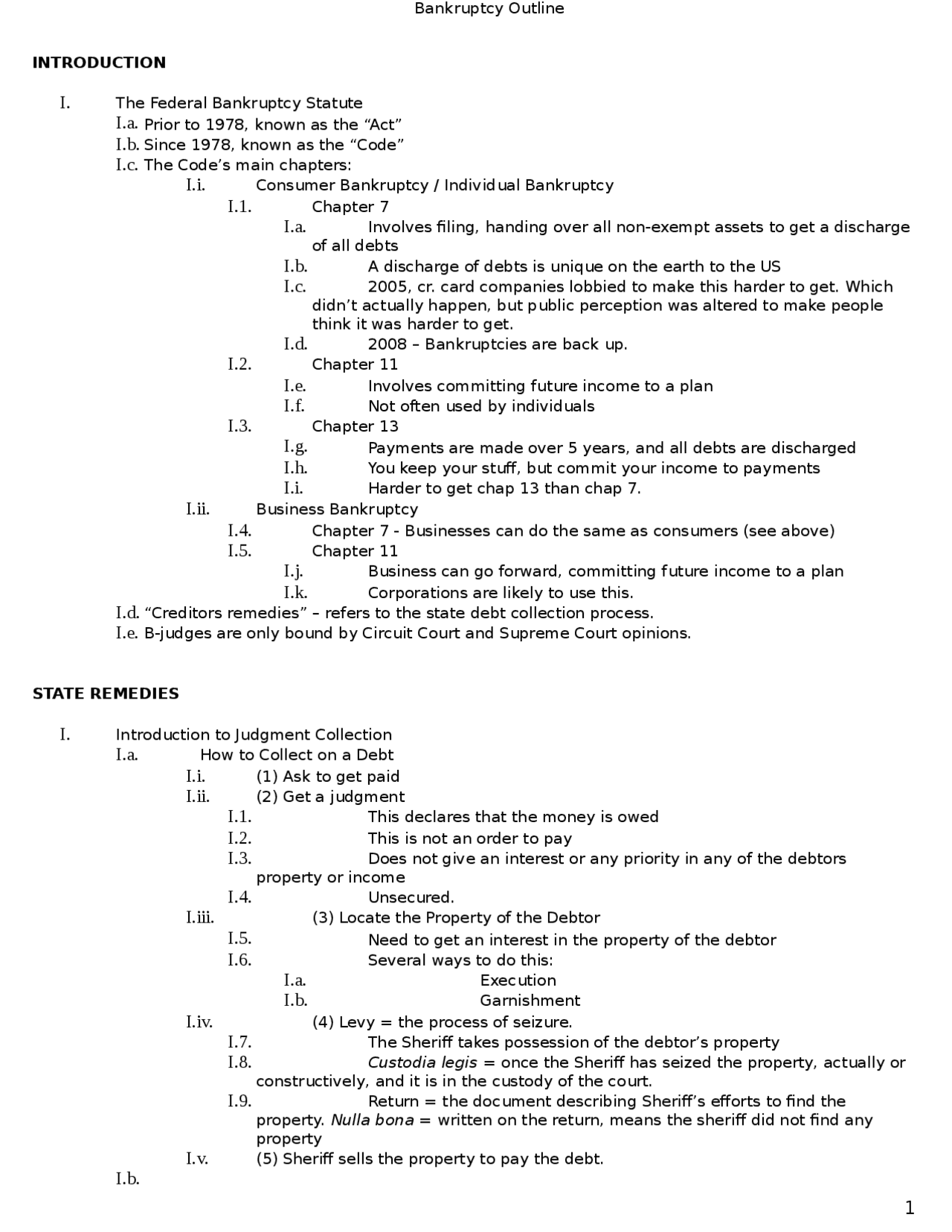
You can choose the kind of bankruptcy that best meets your needs (provided you meet certain qualifications):
chapter 7 – a trustee is appointed to take over your property. Any property of value will be sold or turned into money to pay your creditors.
 You may be able to keep some personal items and possibly real estate depending on the
law
of the state where you live and applicable federal laws. Chapter 13 – you can usually keep your property, but you must earn wages or have some other source of regular income and you must agree to pay part of your income to your creditors.
You may be able to keep some personal items and possibly real estate depending on the
law
of the state where you live and applicable federal laws. Chapter 13 – you can usually keep your property, but you must earn wages or have some other source of regular income and you must agree to pay part of your income to your creditors.
How Many Times Did Trump File Bankruptcy
Of course there may be times when some of those things are true because of the unique facts of the case, but the majority of people who file bankruptcy receive a discharge of all debt not secured by
property
they have pledged as collateral. The truth is bankruptcy provides relief to people burdened with debt. Here’s how it works.
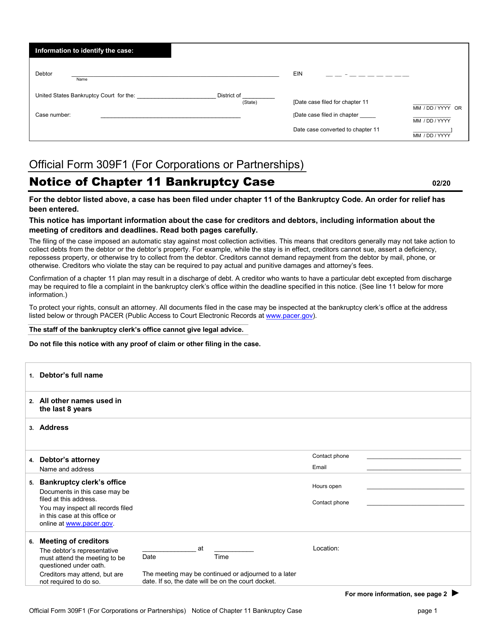 What is "chapter 7” bankruptcy?
most people who file bankruptcy use what’s known as "chapter 7. ” in chapter 7 bankruptcy debtors receive a discharge of most unsecured debts without having to repay creditors. If a debtor has "non-exempt” property it may have to be sold to repay debt, but much of the property owned by consumers will be exempt from creditors.
What is "chapter 7” bankruptcy?
most people who file bankruptcy use what’s known as "chapter 7. ” in chapter 7 bankruptcy debtors receive a discharge of most unsecured debts without having to repay creditors. If a debtor has "non-exempt” property it may have to be sold to repay debt, but much of the property owned by consumers will be exempt from creditors.
When Does A Bankruptcy Come Off Credit
After you file bankruptcy and after you receive discharge, you may need copies of your paperwork. Lenders, such as mortgage companies, want to review your bankruptcy petition, schedules, and related documents before they issue you new credit. You may also need copies of your discharge to show creditors who want proof of your filing. There are various pieces of paperwork that you will want to hold on to. The first is your petition and schedules. These are the documents that list your personal in form ation, creditors, property, and income. Usually you get copies from your attorney after you sign them.
If you listed the irs as a creditor in your bankruptcy, the irs will receive electronic notice about your case from the u. S. Bankruptcy courts within a day or two of the petition date. If you're not sure if we received notice, call the centralized insolvency operation at 800-973-0424 and give them your bankruptcy case number.
What is a chapter 13 bankruptcy and how does it work? chapter 13 is one form of bankruptcy in which you obtain relief from your creditors and submit a plan to pay your debts over a period of not less than 36 months (unless you are paying everyone back 100%) and not more than 60 months. The law prohibits your creditors from trying to collect from you during the time you are in your chapter 13 plan. You must make a regular payment to the chapter 13 trustee within 30 days after filing your plan and payments must be for the period of time designated in your plan.
Each chapter of the bankruptcy code has its own rules for gaining a discharge. For instance, in chapter 7 , the debtor has to file complete and accurate schedules, attend a section 341 meeting of creditors, attend a financial management course, turnover nonexempt property, and a litany of other items. In a chapter 13 repayment plan case, debtors have even more obligations. Generally, they are focused on a repayment plan that will dictate how much you have to pay each month, how many months the plan will last, and what debts must be paid through the program. Once all those requirements are met, the court will enter an order discharging the debtor’s debts.
What Do You Lose In Bankruptcy
Once your bankruptcy case is finalized, you receive discharge papers that prove you no longer owe those included debts, according to the book “how to file for chapter 7 bankruptcy. ” keeping these papers is important as future lenders and employers might want to see this legal evidence. However, if you can’t find your bankruptcy discharge papers you can usually obtain new copies by using one of several available methods; bankruptcy case papers are public information under federal laws so it shouldn’t take too long to get new copies. Visit your closest branch of the united states bankruptcy court, even if you didn’t file your case in that jurisdiction.
For most filers, a chapter 7 case will end when you receive your dischargethe order that forgives qualified debtabout four to six months after filing the bankruptcy paperwork. Although most cases close after that, your case might remain open longer if you have property that you can't protect (nonexempt assets).
What Debts Can Be Discharged In Bankruptcy
How long does a chapter 13 discharge take? once the discharge process begins, it can take 6-8 weeks for the discharge to occur. This process starts once you have completed your payment plan over 3-5 years and meet all other requirements. The chapter 13 trustee will do a final audit to make sure all payments have been completed. Are any debts discharged in chapter 13? to better understand what a discharge means under a chapter 13 bankruptcy, it is important to know what types of debt are dischargeable and what are your debt obligations. Priority debt is difficult to remove from your payment plan.
Comments
Post a Comment